

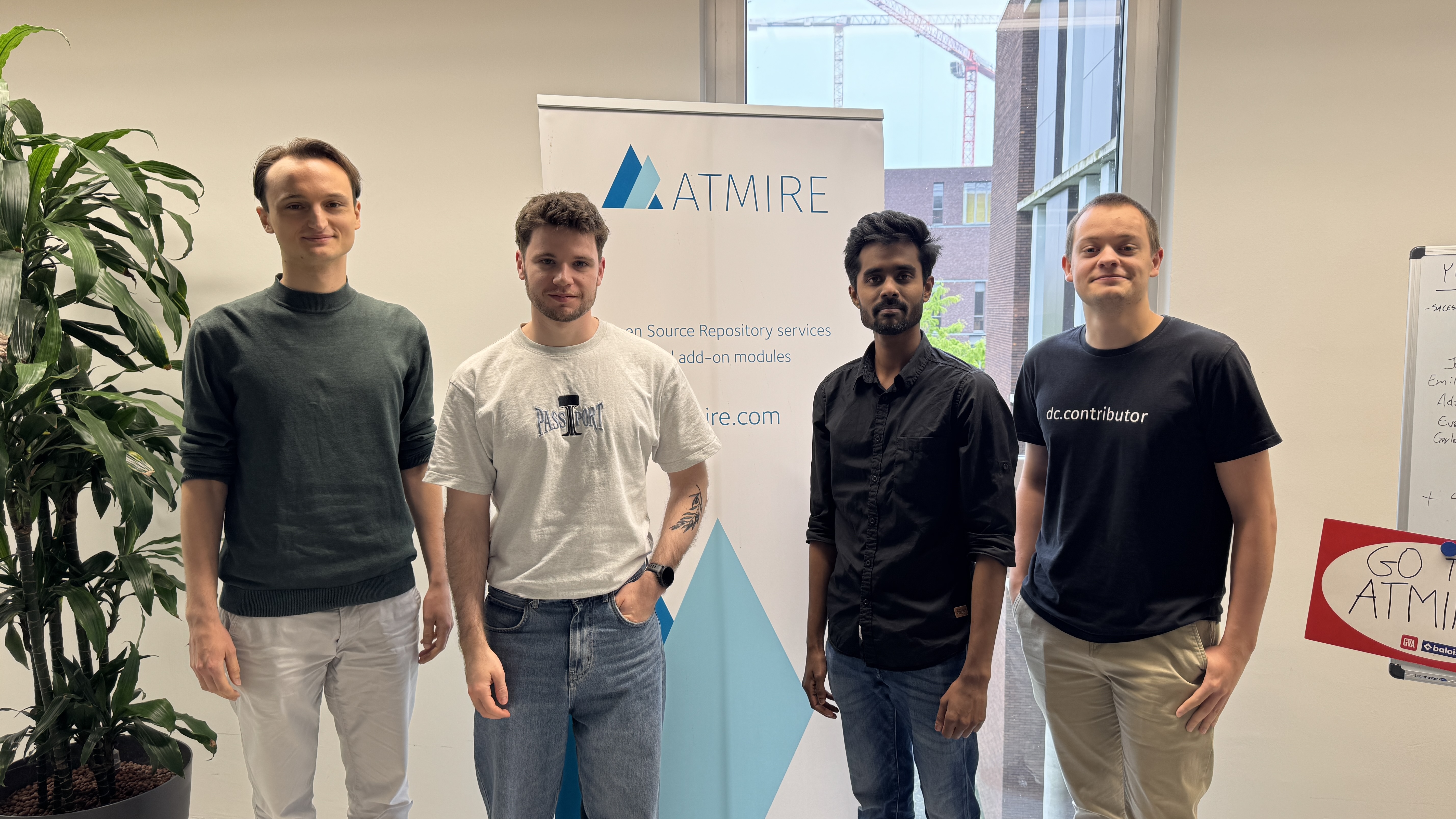
Bram Maegerman: Migrating DSpace to the Jisc Open Policy Finder API
Bram Maegerman contributed to an important modernization of DSpace’s open access policy infrastructure. Together with Kevin Van de Velde and Bram Luyten, Bram helped migrate DSpace integrations from the legacy Sherpa services API to the new Jisc Open Policy Finder API.
This transition matters for the repository community because integrations relying on the legacy Sherpa services API need to move to the new Open Policy Finder platform before the old API is switched off. Although the migration window has been extended until the end of July 2026, the direction is clear: repository platforms need to align with the new service.
For DSpace institutions, journal policy information is more than a convenience. It supports open access workflows by helping repositories surface guidance on what can be deposited, under which conditions, and with which embargoes. By helping move DSpace to the new Jisc Open Policy Finder API, Bram contributed to keeping the platform aligned with the latest open access infrastructure.
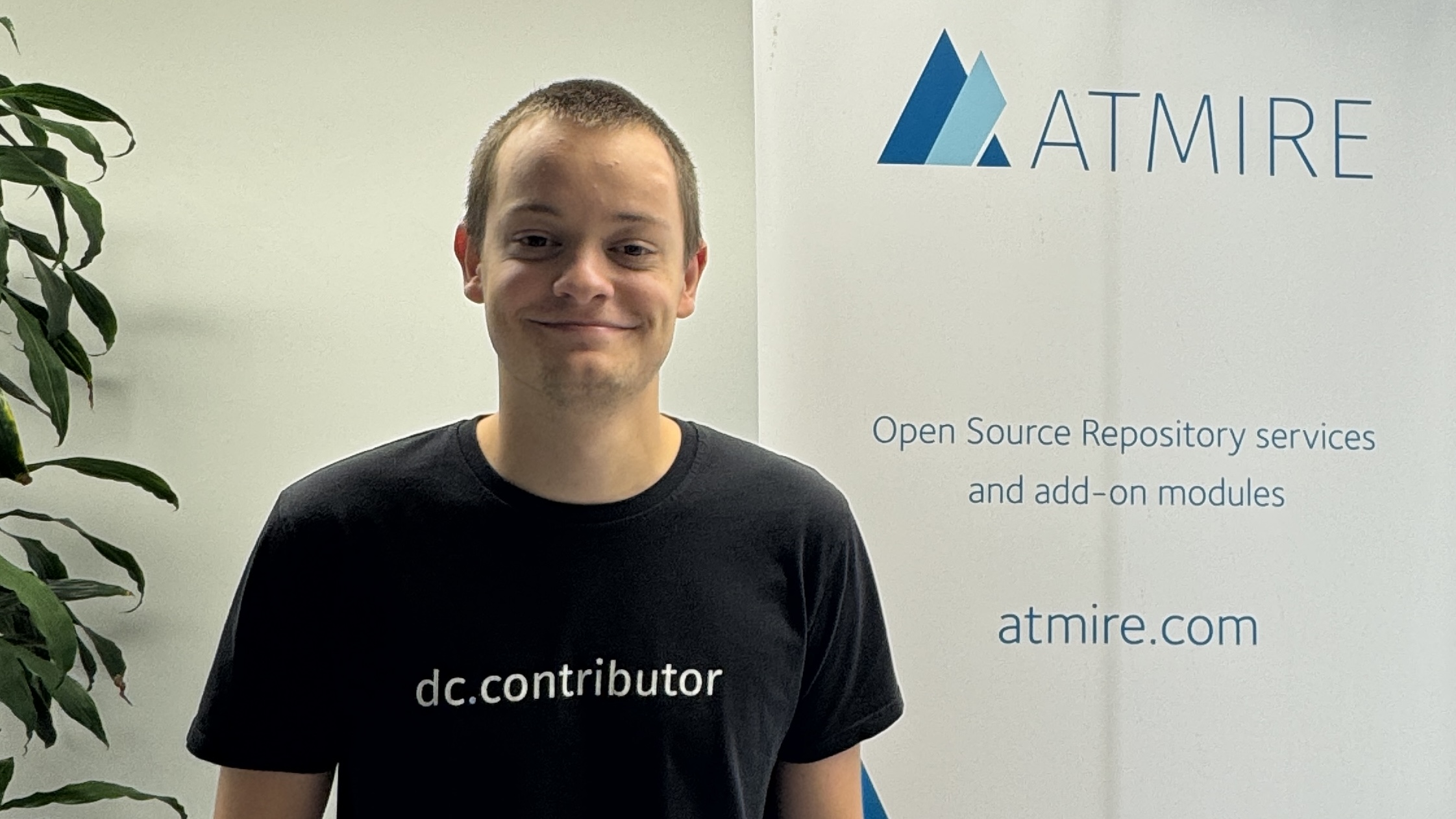
Role: Software Developer
Abhinav Sidharthan: Making repositories faster through smarter caching
Some improvements are highly visible. Others are designed to go unnoticed because the system simply becomes faster. Abhinav Sidharthan’s contribution to DSpace 10 belongs to the second category.
His work focused on two DSpace classes: - EntityType and - RelationshipTypeThese classes describe how entities, such as publications, people, projects, and the relationships between them, are structured. In most repositories, these definitions rarely change once configured. Yet before this improvement, DSpace fetched them from the database repeatedly, without a second-level cache to remember them between lookups.
For a single page load, those repeated database calls might only cost a few milliseconds. But in bulk operations, such as imports, indexing, or large-scale processing of thousands of items, those milliseconds can quickly add up.
The solution was technically small but impactful: make the two classes cacheable, cache the queries that retrieve them, and add a database index so lookups by entity type label are fast even on the first miss. The result is a quiet but meaningful performance improvement across repositories using DSpace entities.
In a real bulk ingest workload, this change delivered a speedup in the range of three to four times. That means heavy, entity-rich processing can finish in a fraction of the time compared to before.
Abhinav’s contribution is a reminder that small code changes can have a large operational impact, especially when they sit deep in the platform and benefit many workflows at once.
Related contribution:
DSpace backend PR: https://github.com/DSpace/DSpace/pull/10804
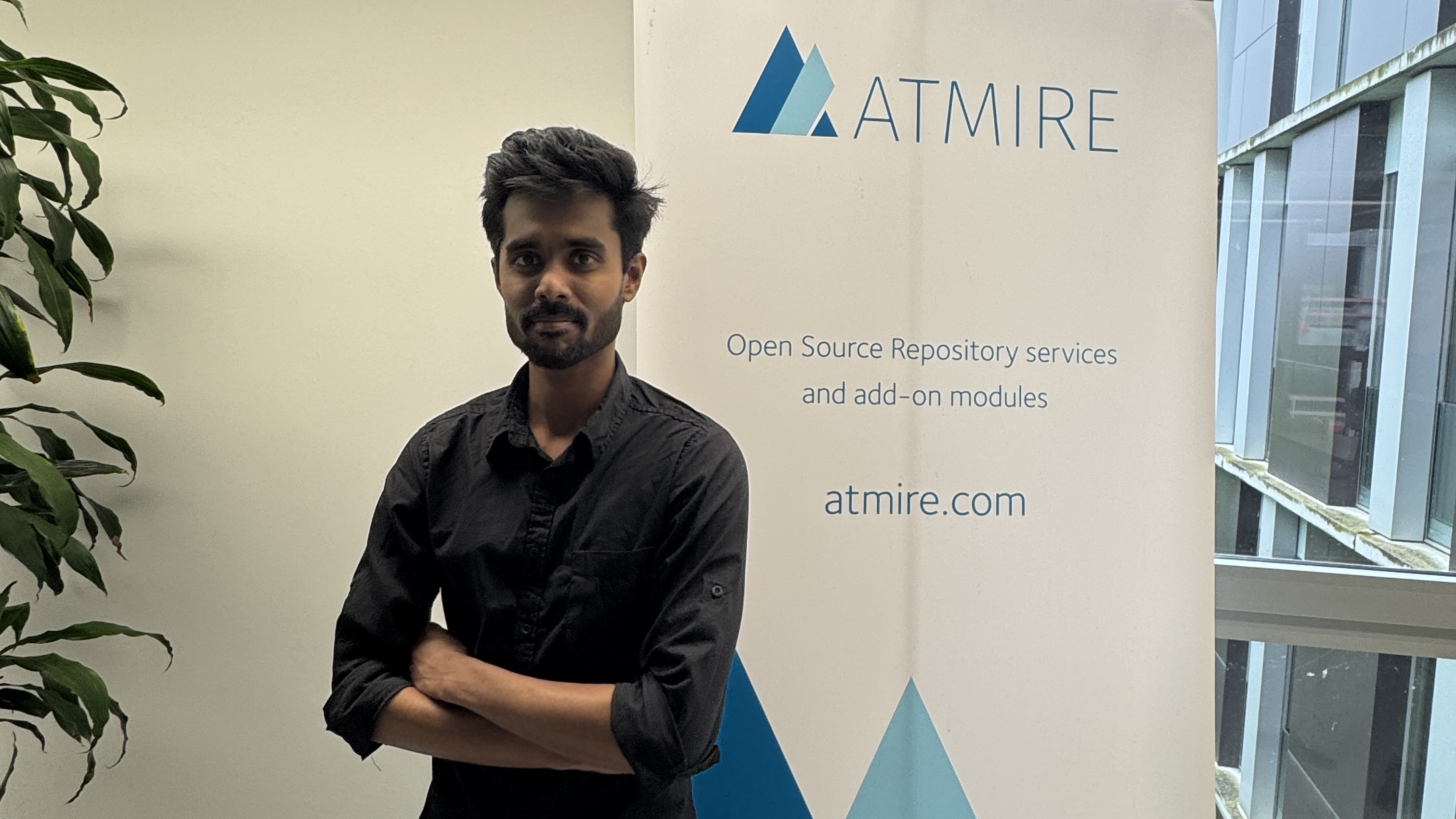
Role: Software Engineer
Jens Vannerum: Improving reliability, accessibility, search, notifications, and SEO
Jens Vannerum contributed a broad set of improvements to DSpace 10, many of them focused on making repositories more stable, accessible, efficient, and easier to manage.
Several of his contributions are the kind of improvements administrators may only notice when something does not go wrong. These include a configurable limit on bulk item exports, preventing a single large request from overwhelming a server, and a fix that stops the virus-scanning task from crashing an entire curation run when it encounters an unexpected error. He also worked on separate log files for command-line jobs, making it easier for administrators to understand what happened during background processes.
Jens also reworked subscription notification emails. These emails now have better formatting, are grouped by collection, separate new items from modified items, and use configurable templates so institutions are not locked into hardcoded text. This work also fixed a daily-run issue that could prevent users from receiving updates.
Accessibility was another important part of his DSpace 10 work. Jens helped improve button behavior across nearly 200 files so screen reader users receive accurate information about what they can interact with. He also added keyboard selection in submission forms, helping ensure DSpace content is more reachable for users who navigate without a mouse.
On the search and browse side, Jens contributed hierarchical facets for controlled vocabularies, case-insensitive facet searches, browse pages that respect configured sort order, and fewer unnecessary network requests when users switch browse indexes. Together, these changes help make search results more relevant and faster to use.
His work also included a new SEO health check component, designed to flag configuration issues that may hurt search engine visibility before they affect readership. Additional contributions included fixing a metadata loss bug in CSV import/export, improving PubMed import with API key support, and introducing a stronger dynamic test environment.
These contributions reflect the practical, wide-ranging work needed to keep DSpace reliable for institutions, administrators, and end users.
Related links:
DSpace 10 announcement: https://dspace.org/download
Full list of merged PRs:
- https://github.com/DSpace/DSpace/pulls?q=is%3Apr+author%3Ajensvannerum+is%3Amerged
- https://github.com/DSpace/dspace-angular/pulls?q=is%3Apr+author%3Ajensvannerum+is%3Amerged

Role: Full Stack Developer at Atmire
Joran De Braekeleer: Bringing bitstream versioning closer to item versioning
Joran De Braekeleer made his first major upstream contribution to DSpace with an improvement to how bitstreams are handled across item versions.
Item versioning has long been part of DSpace. It allows older versions of items to be preserved when updates are made, giving users and administrators a way to manage submissions and review item edit history. However, when items were replaced, the files they contained, known as bitstreams, were replaced as well. Until this contribution, those files were not fully integrated into the versioning framework.
Together with Yury Bondarenko and Jens Vannerum, Joran introduced bitstream metadata linking. With this change, bitstreams can now be linked together across item versions, supplementing the existing item history. The contribution also adds support for users to replace bitstreams directly in one click, whether during submission or from the item edit page.
Replacing and replaced bitstreams now maintain a bidirectional connection through their metadata. This makes the relationship between file versions clearer and more manageable, improving the experience for both end users and system administrators.
For Joran, the contribution is also closely connected to his interest in UI and UX. By making bitstream replacement easier and better integrated into version history, the feature improves both the functionality and the usability of DSpace.
Related link:
Joran De Braekeleer’s DSpace 10 contribution: https://github.com/DSpace/dspace-angular/pull/4368
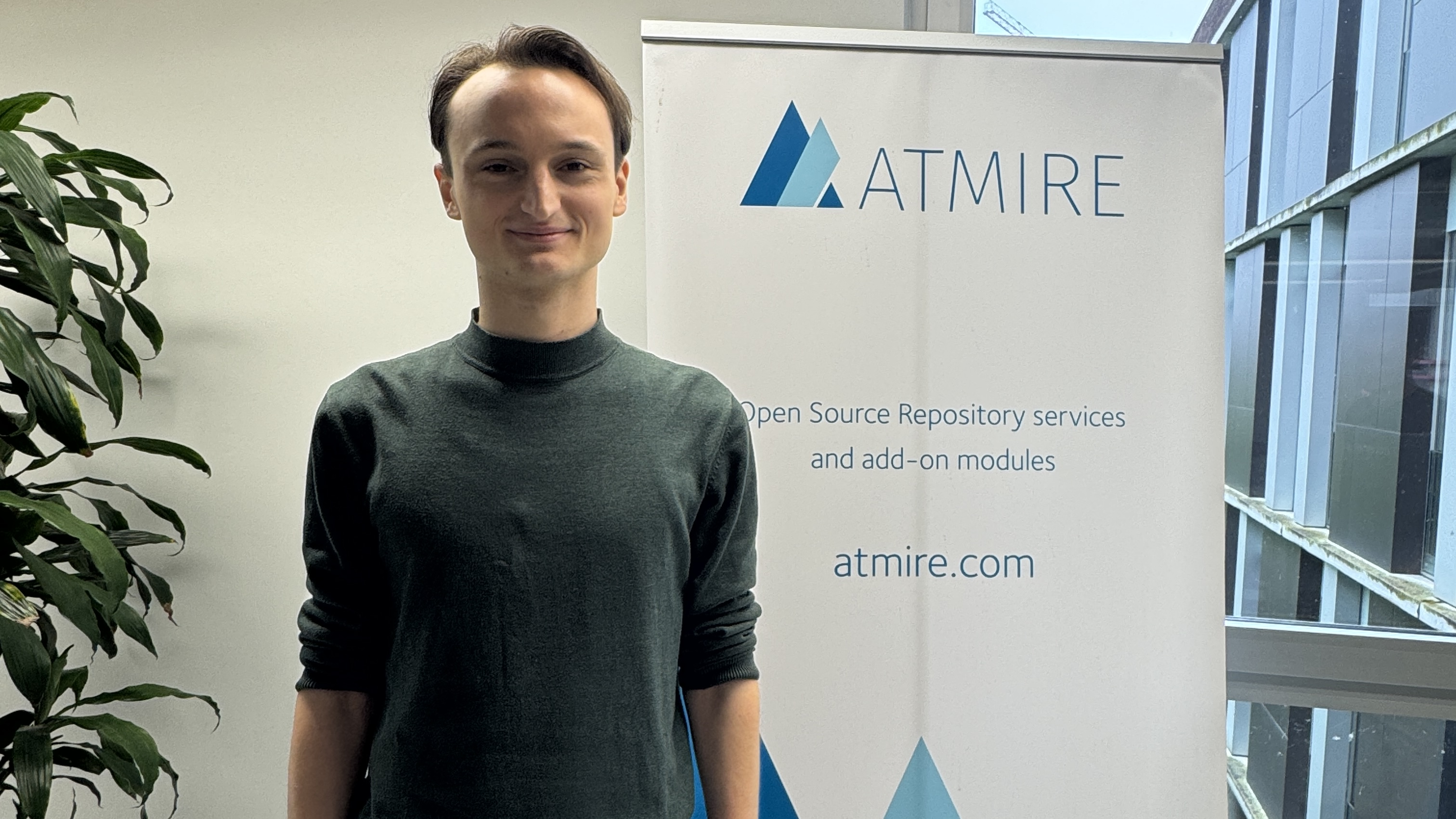
Role: Developer
Reviewing: the less visible work behind a stronger DSpace release
Alongside these development contributions, the Atmire team also invested significant time in reviewing work for DSpace 10.
Reviewing is not always the most visible or glamorous part of open source contribution. It does not usually come with a headline feature, a release note, or a screenshot. But it is essential work. Every pull request that enters a platform like DSpace needs careful attention: does the change solve the right problem, does it fit the architecture, does it introduce regressions, is it maintainable, and will it still make sense for institutions running DSpace years from now?
That review process helps protect the quality, stability, and long-term maintainability of the platform. It gives contributors useful feedback, catches issues before they reach production systems, and helps ensure that improvements are not just merged quickly, but merged responsibly.
For a community-driven platform like DSpace, reviewing is also one of the ways knowledge is shared. It helps newer contributors understand the codebase, gives maintainers confidence in changes, and keeps development aligned across many institutions and use cases.
It may be less visible than writing the original code, but it is one of the reasons DSpace can continue to evolve as a trusted platform for repositories around the world. Atmire is proud to contribute to that work as well.
A community release, strengthened by practical contributions
The work highlighted here reflects the kind of contributions that make DSpace stronger in practice. Some changes improve performance deep inside the platform. Others modernize integrations, improve accessibility, make administrative workflows safer, or help users manage repository content more easily.
Together, these contributions show how DSpace 10 continues to evolve through collaboration between developers, maintainers, institutions, and the wider repository community.
Atmire is proud to contribute to that ongoing work!